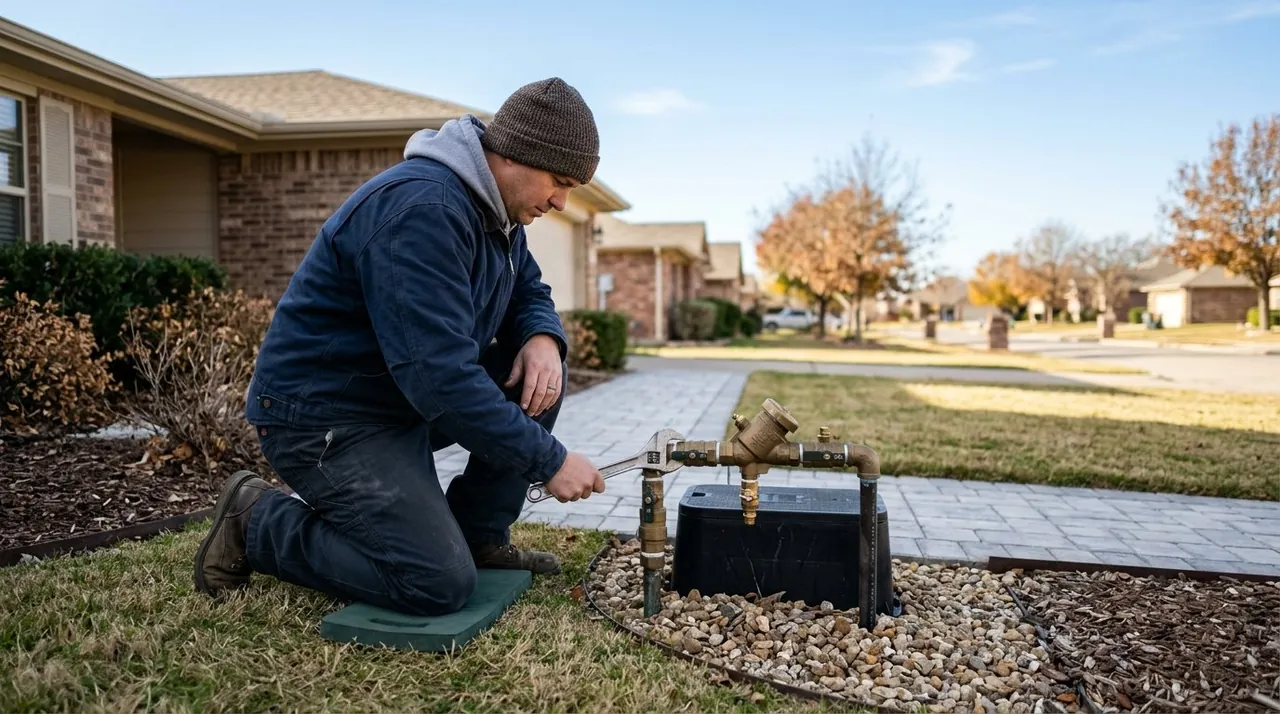
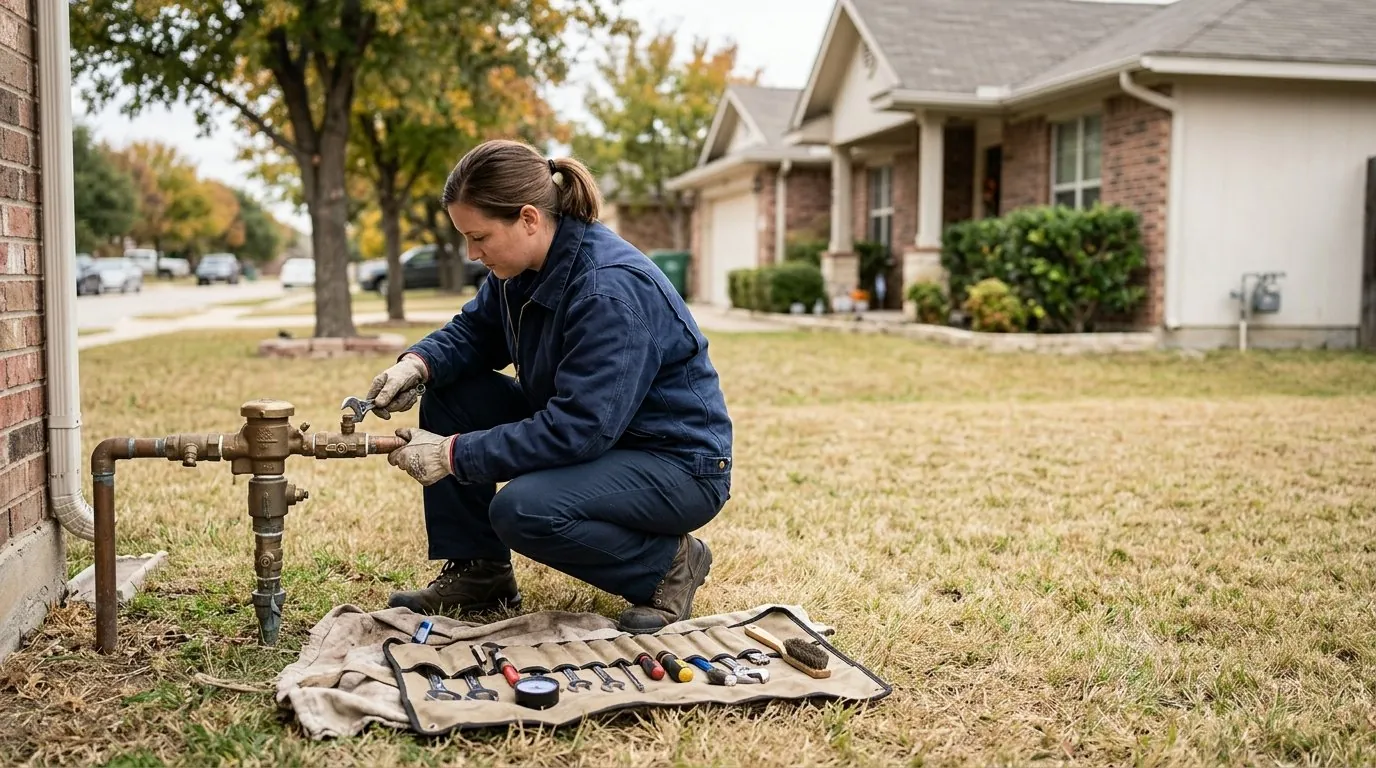
Learn when your system needs backflow preventer repair in Killeen, spot common failure signs early, and see how local technicians restore protection fast.
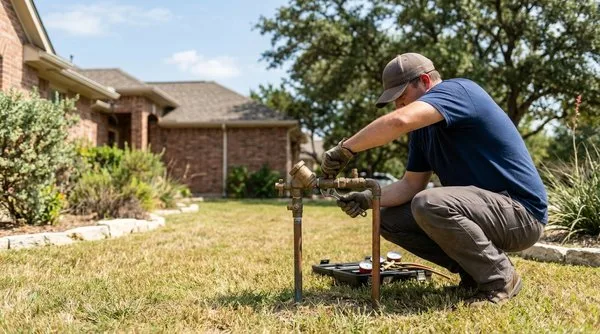
Discover what backflow preventer repair really costs in Killeen and Central Texas, and why ignoring small problems leads to big, expensive consequences.
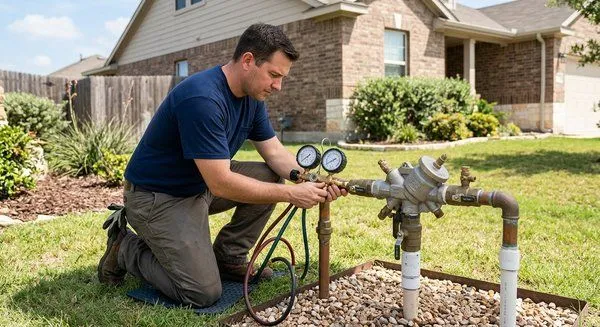
Backflow testing in Killeen is legally required and protects your drinking water. Learn why silent failures, hard water, and local enforcement make it critical.
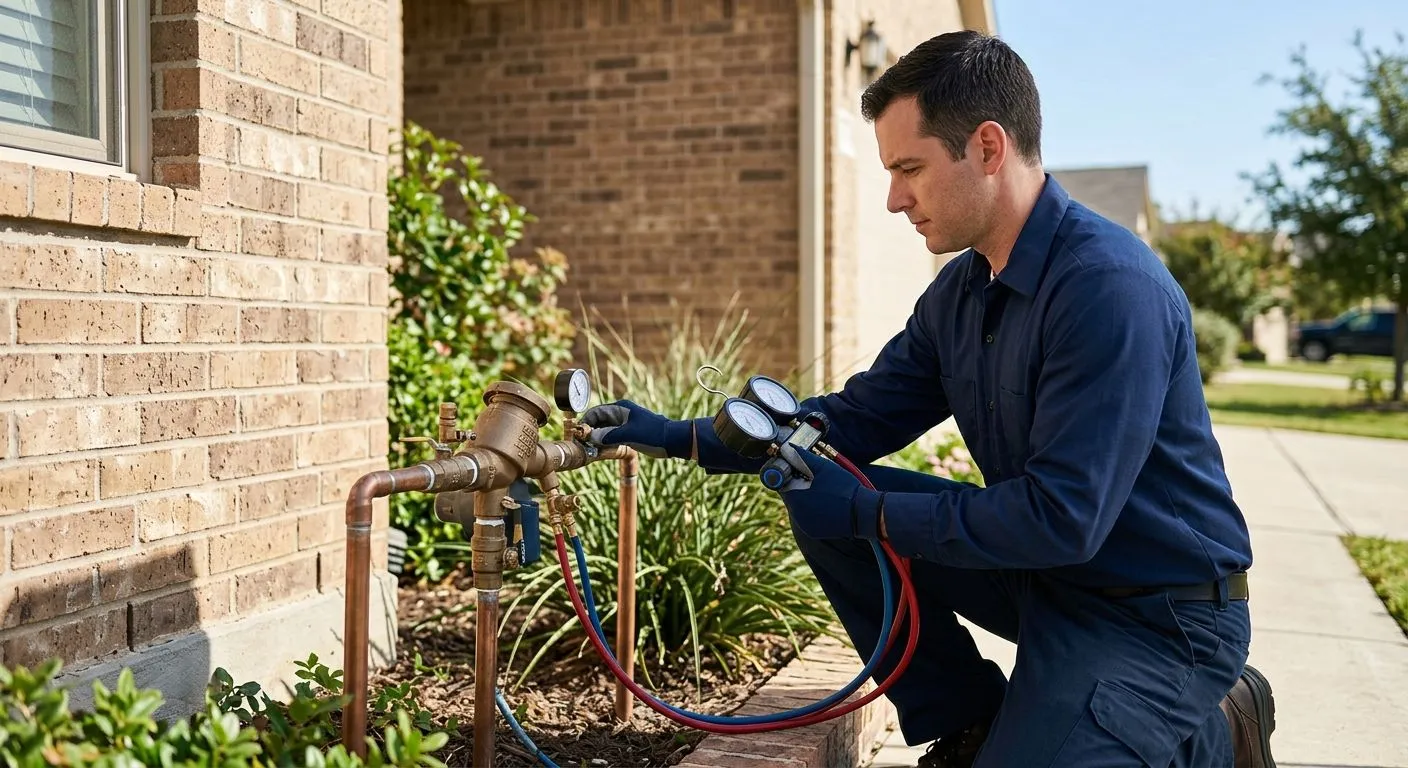
Learn why annual backflow testing in Killeen, TX is required by city ordinance and what freeze damage or a septic system means for your backflow preventer!
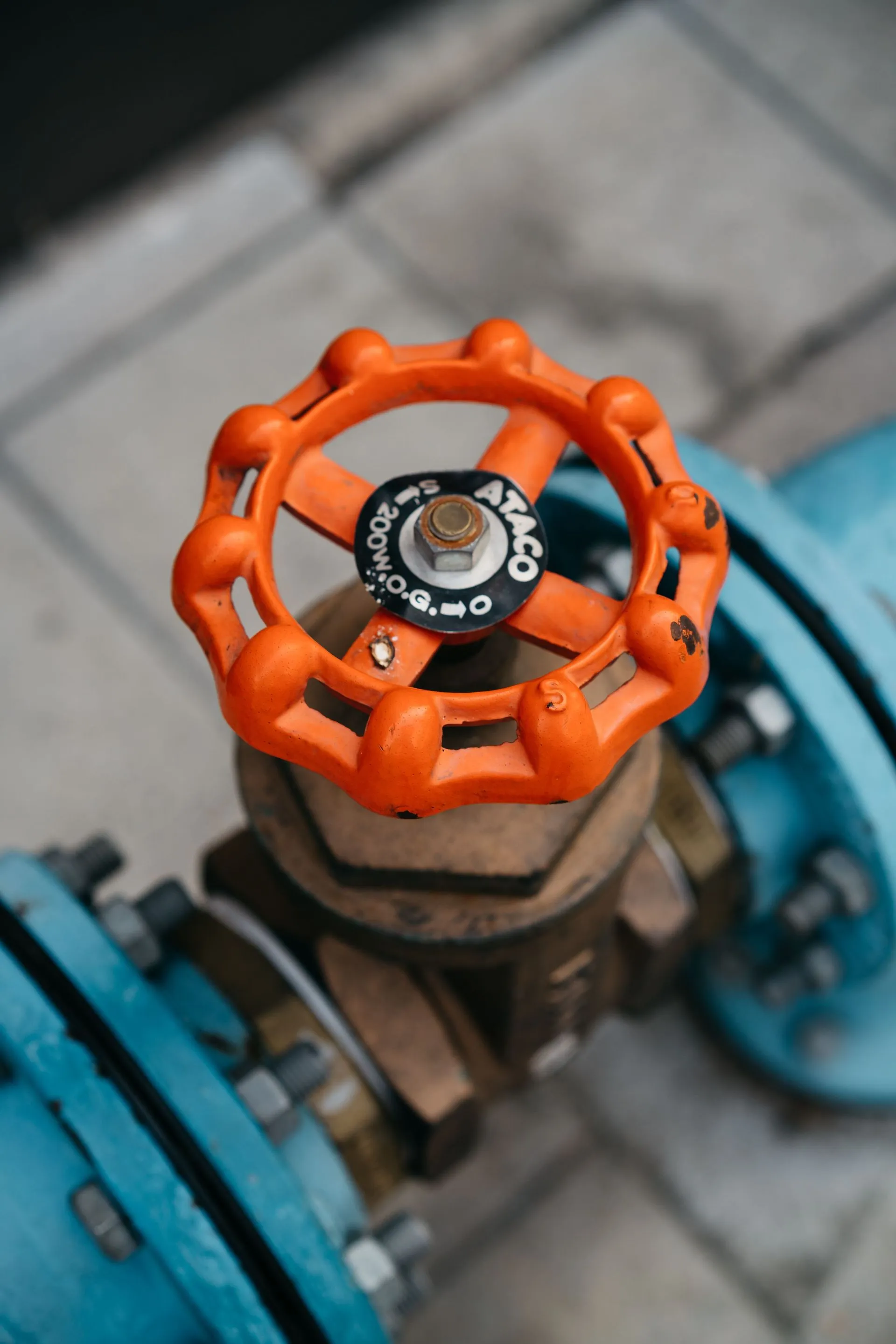
Learn what happens during a professional backflow inspection in Temple, TX, from testing and repairs to reporting, and why routine inspections matter.

Learn the top questions Cameron, TX residents ask about backflow repairs, including warning signs, annual testing, and professional repair solutions.
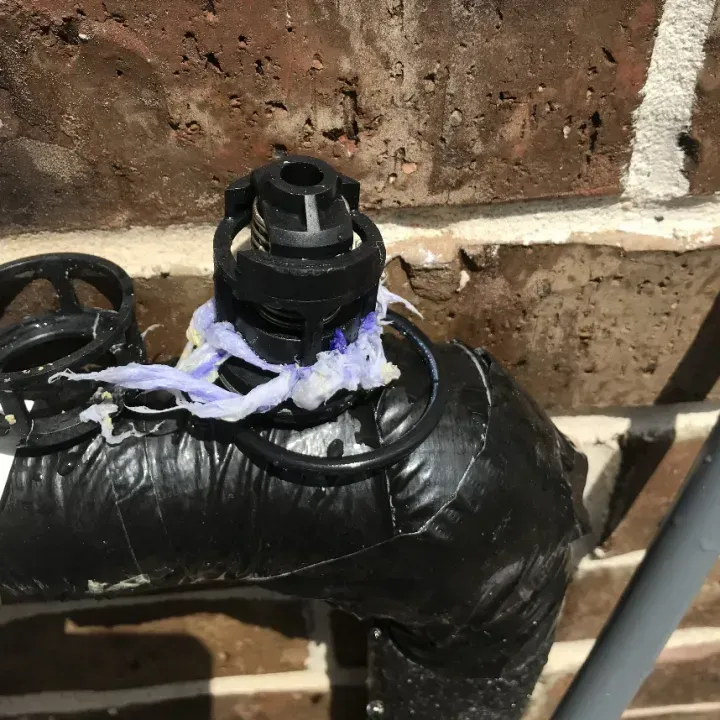
Prepare for backflow testing in Killeen, Texas with our expert guide. Central Texas Backflow offers reliable backflow testing services. Call (979) 530-5300 to book.

Protect your water supply with expert backflow prevention services in Texas. Learn why backflow preventers matter and stay compliant with local regulations.
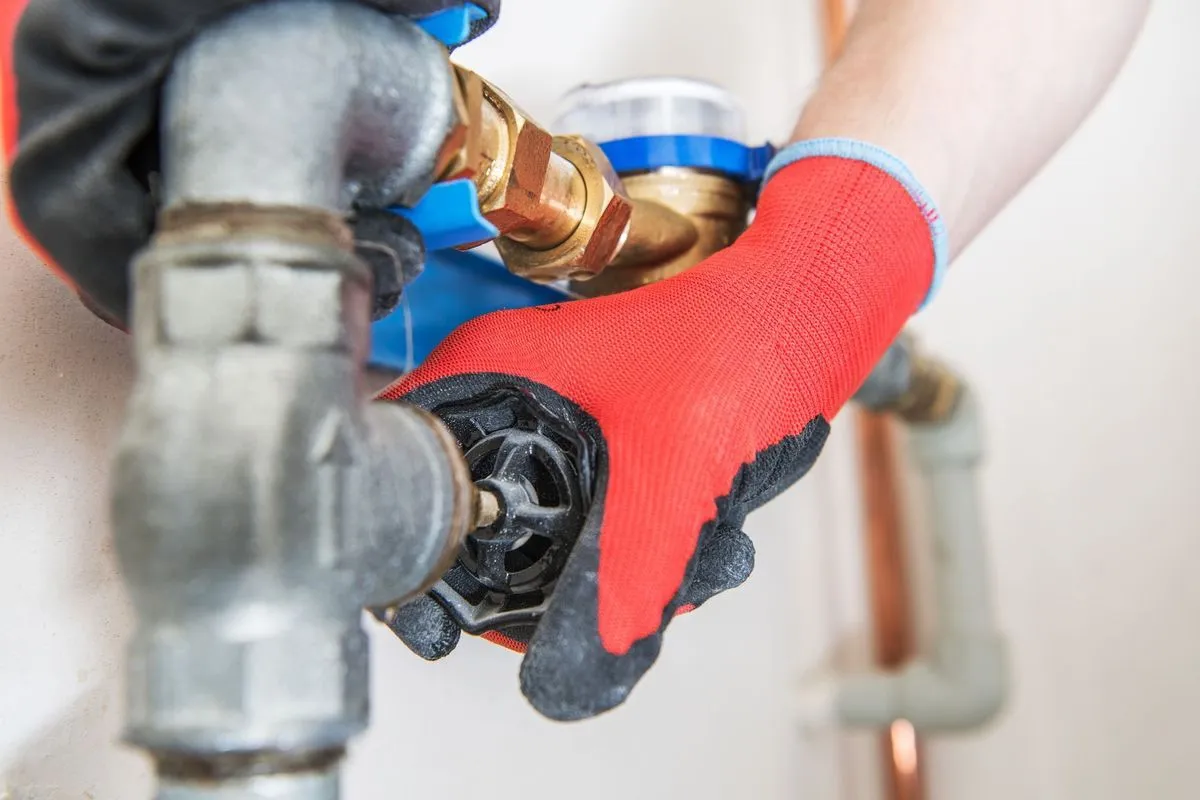
Common backflow issues in Cameron, TX, explained. Learn how professional backflow testing helps protect water quality and ensures compliance.
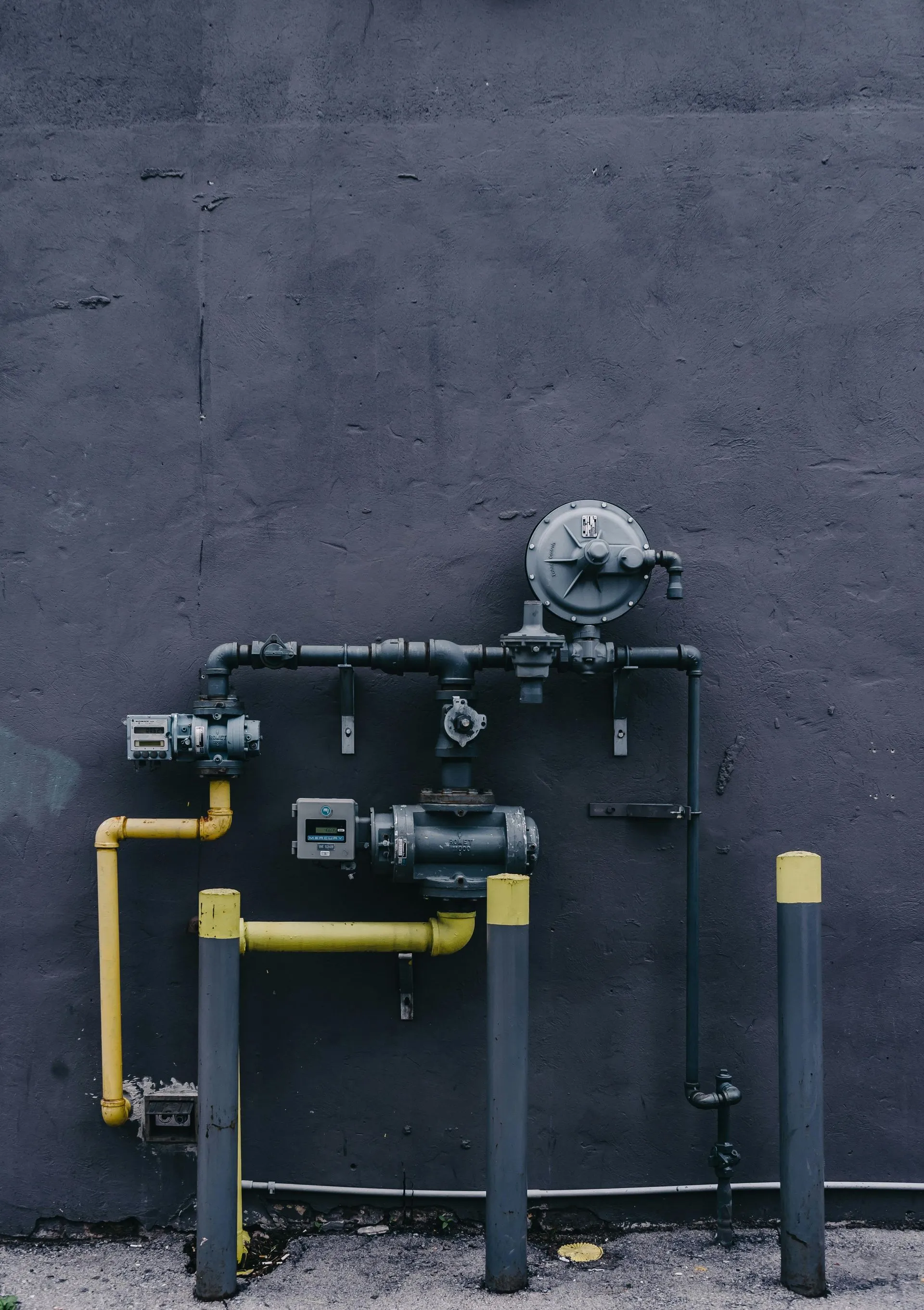
Learn how often to schedule backflow preventer testing in Texas. Explore water backflow testing tips, signs you need testing & professional services in Cameron, TX.
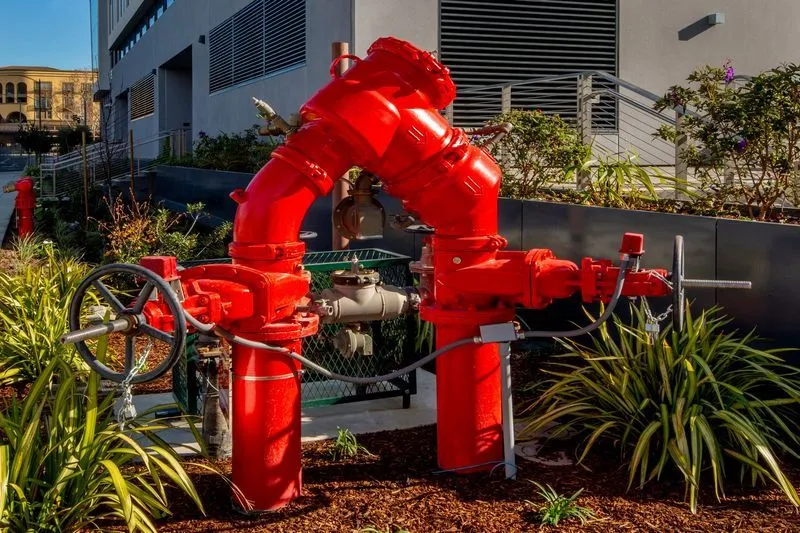
Protect public health with expert backflow prevention testing in Killeen, TX. Call Central Texas Backflow at (979) 530-5300 for reliable Texas backflow testing.
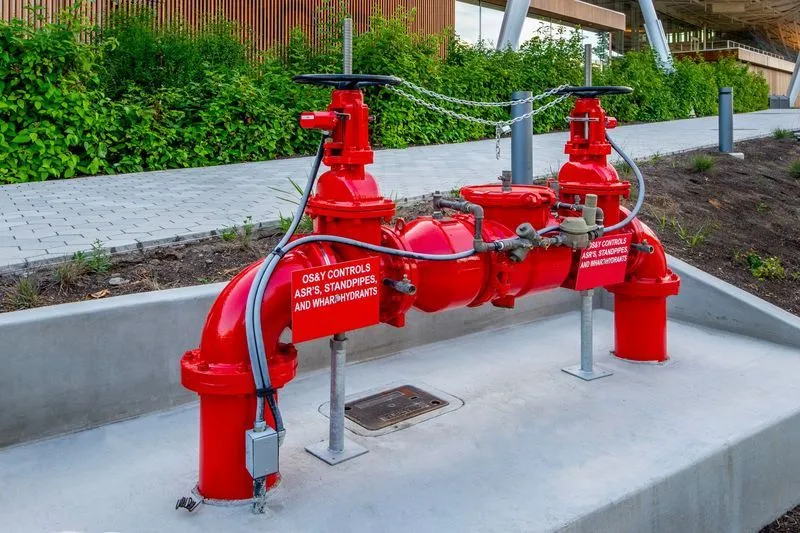
Ensure clean water and compliance with annual Texas backflow testing. Contact Central Texas Backflow in Killeen, TX at (979) 530-5300 for expert testing services.
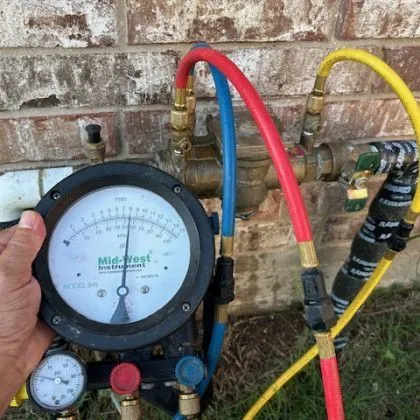
Protect your water supply with expert backflow testing in Cameron, TX. Central Texas Backflow offers certified prevention testing to keep your property safe and compliant.
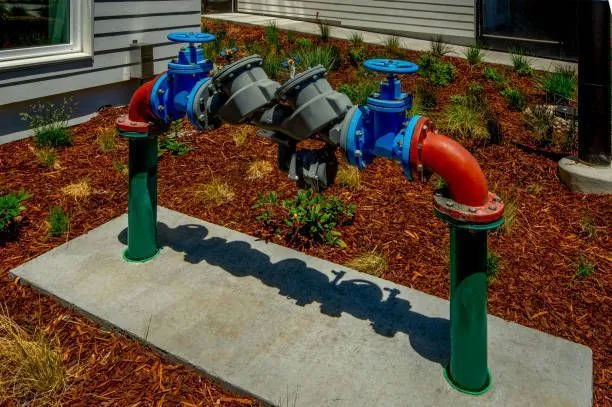
Learn the causes of backflow preventer failure in Waco, TX. Central Texas Backflow offers expert testing, maintenance, and backflow repairs to keep your water safe!
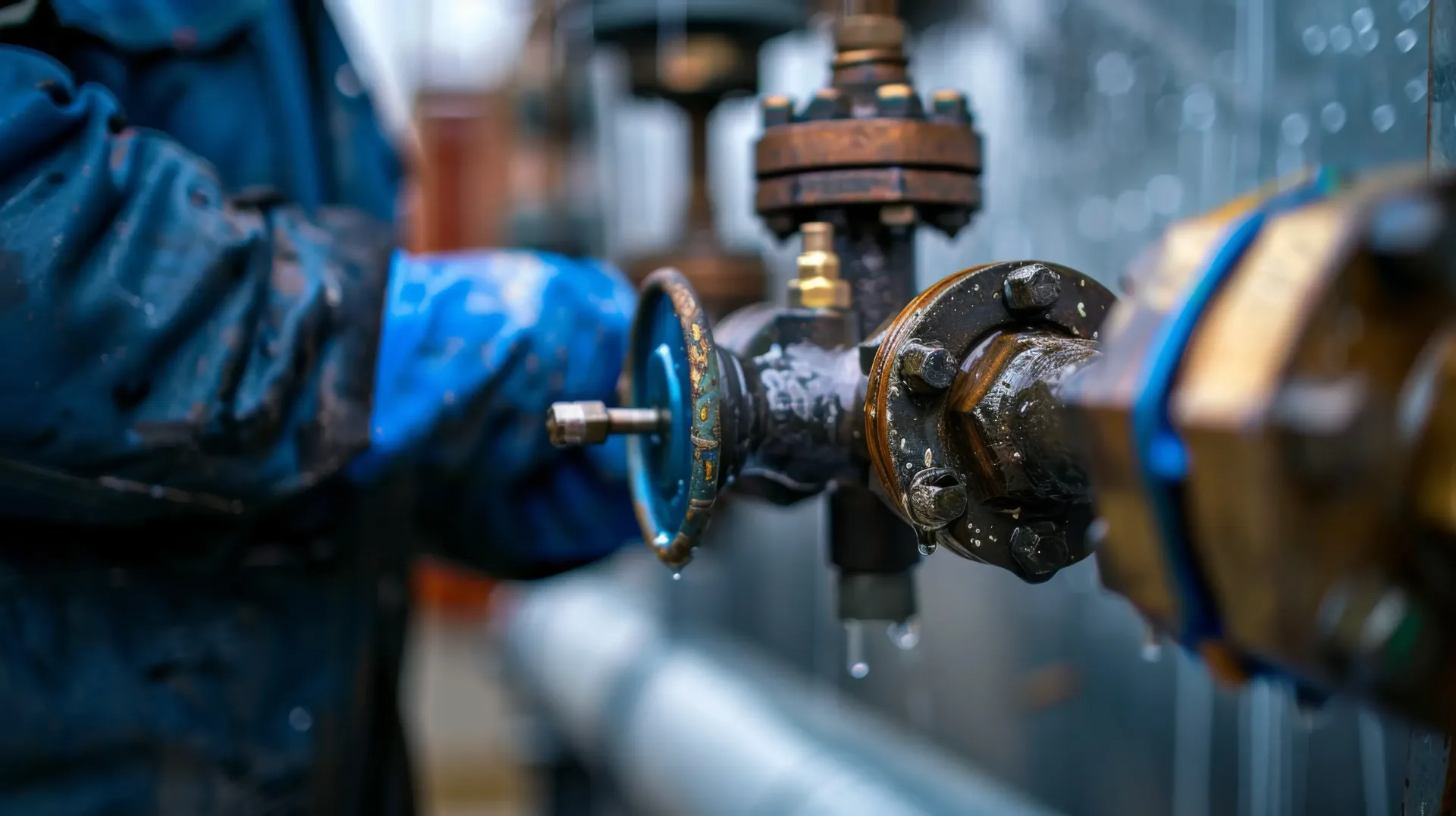
Learn how backflow can contaminate your water supply in Texas and why backflow water testing is essential. Call (979) 530-5300 for certified backflow services!
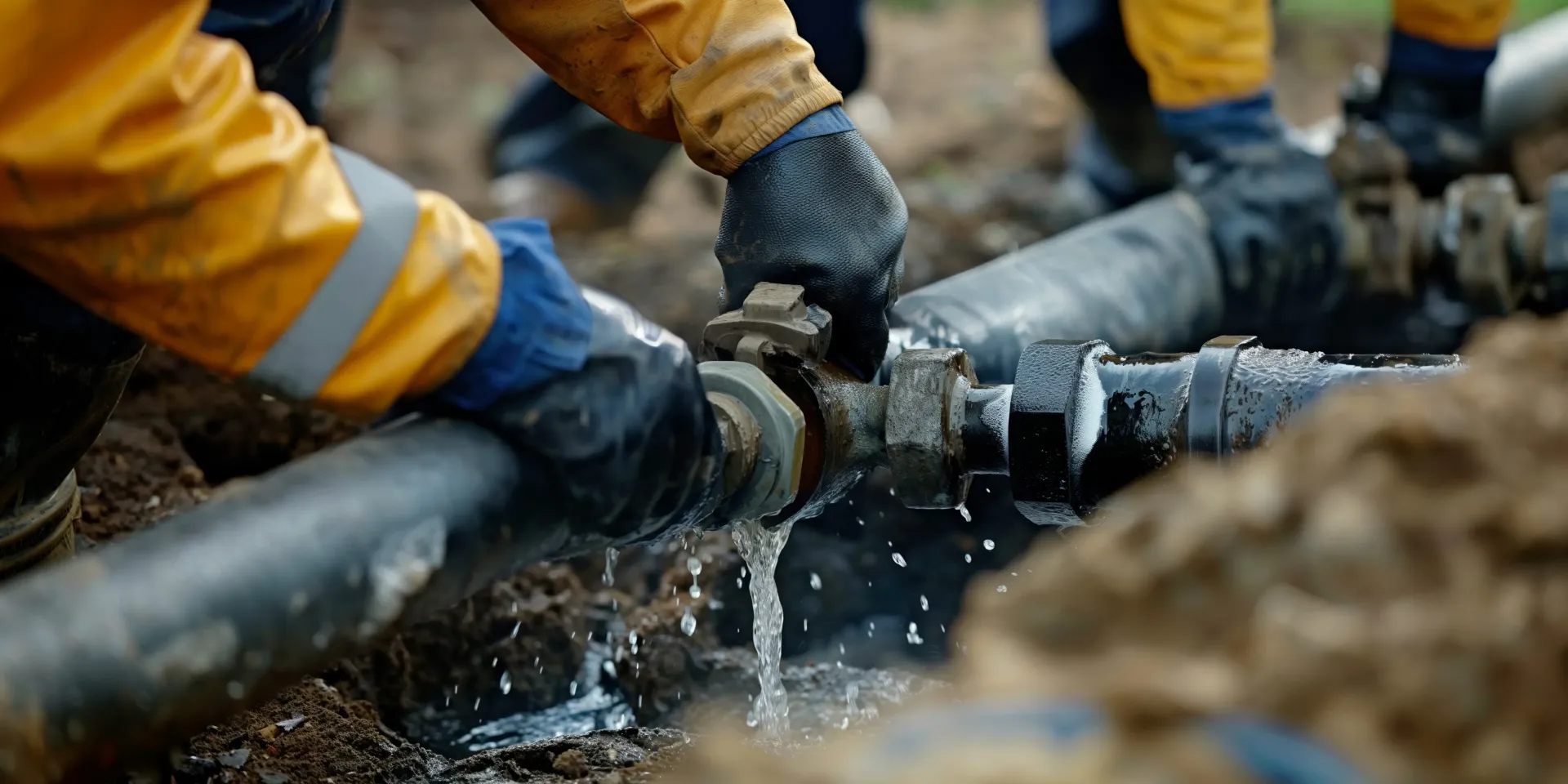
Protect your water supply with expert backflow preventer testing in Temple, TX. Call Central Texas Backflow at (979) 530-5300 for testing, repair, and maintenance!
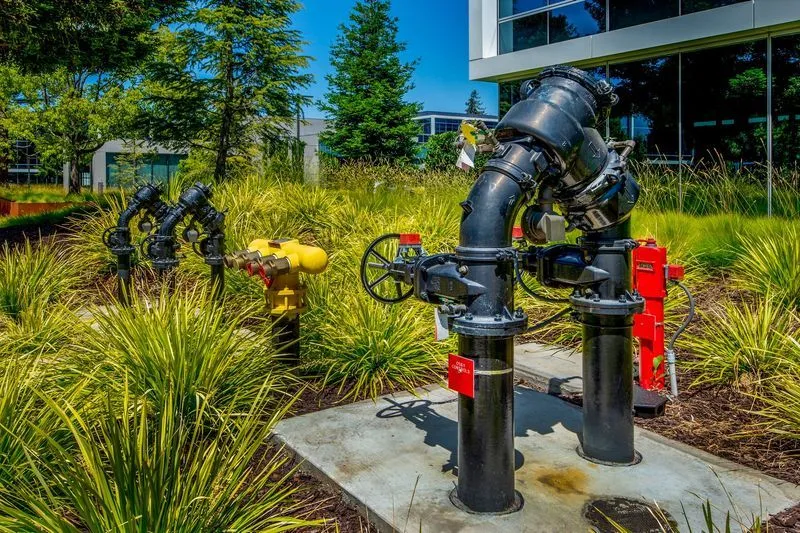
Worried about backflow in Round Rock, TX? Learn how backflow can contaminate your water and how to prevent it. Call Central Texas Backflow at (979) 530-5300 now!
Learn when your system needs backflow preventer repair in Killeen, spot common failure signs early, and see how local technicians restore protection fast.
Discover what backflow preventer repair really costs in Killeen and Central Texas, and why ignoring small problems leads to big, expensive consequences.
Backflow testing in Killeen is legally required and protects your drinking water. Learn why silent failures, hard water, and local enforcement make it critical.
Learn why annual backflow testing in Killeen, TX is required by city ordinance and what freeze damage or a septic system means for your backflow preventer!
Learn what happens during a professional backflow inspection in Temple, TX, from testing and repairs to reporting, and why routine inspections matter.
Learn the top questions Cameron, TX residents ask about backflow repairs, including warning signs, annual testing, and professional repair solutions.
Prepare for backflow testing in Killeen, Texas with our expert guide. Central Texas Backflow offers reliable backflow testing services. Call (979) 530-5300 to book.
Protect your water supply with expert backflow prevention services in Texas. Learn why backflow preventers matter and stay compliant with local regulations.
Common backflow issues in Cameron, TX, explained. Learn how professional backflow testing helps protect water quality and ensures compliance.
Learn how often to schedule backflow preventer testing in Texas. Explore water backflow testing tips, signs you need testing & professional services in Cameron, TX.
Protect public health with expert backflow prevention testing in Killeen, TX. Call Central Texas Backflow at (979) 530-5300 for reliable Texas backflow testing.
Ensure clean water and compliance with annual Texas backflow testing. Contact Central Texas Backflow in Killeen, TX at (979) 530-5300 for expert testing services.
Protect your water supply with expert backflow testing in Cameron, TX. Central Texas Backflow offers certified prevention testing to keep your property safe and compliant.
Learn the causes of backflow preventer failure in Waco, TX. Central Texas Backflow offers expert testing, maintenance, and backflow repairs to keep your water safe!
Learn how backflow can contaminate your water supply in Texas and why backflow water testing is essential. Call (979) 530-5300 for certified backflow services!
Protect your water supply with expert backflow preventer testing in Temple, TX. Call Central Texas Backflow at (979) 530-5300 for testing, repair, and maintenance!
Worried about backflow in Round Rock, TX? Learn how backflow can contaminate your water and how to prevent it. Call Central Texas Backflow at (979) 530-5300 now!