Backflow Testing in Killeen: What Every Property Owner Must Know
Once testing is complete, we review the results and determine whether the device passes or fails.
If the Device Passes
If everything is working properly, we document the results and complete the inspection.
A passing test means the assembly is doing its job and helping protect the water supply.
If the Device Fails
A failed test does not always mean replacement is necessary.
In many situations, the problem can be fixed through repairs and replacement of worn parts.
We explain the issue, discuss your options, and recommend the best solution.
Final Thoughts
Schedule Your Backflow Inspection in Temple, TX
Your drinking water could be contaminated right now, and you would never know it. That is the reality of a failed backflow preventer. Central Texas Backflow serves property owners across Killeen, Harker Heights, Temple, and beyond.
The number one misconception they encounter is this: "I've never had a problem, so I probably don't need to test." That thinking is exactly how a silent failure turns into a serious health incident.
What Backflow Testing Actually Does
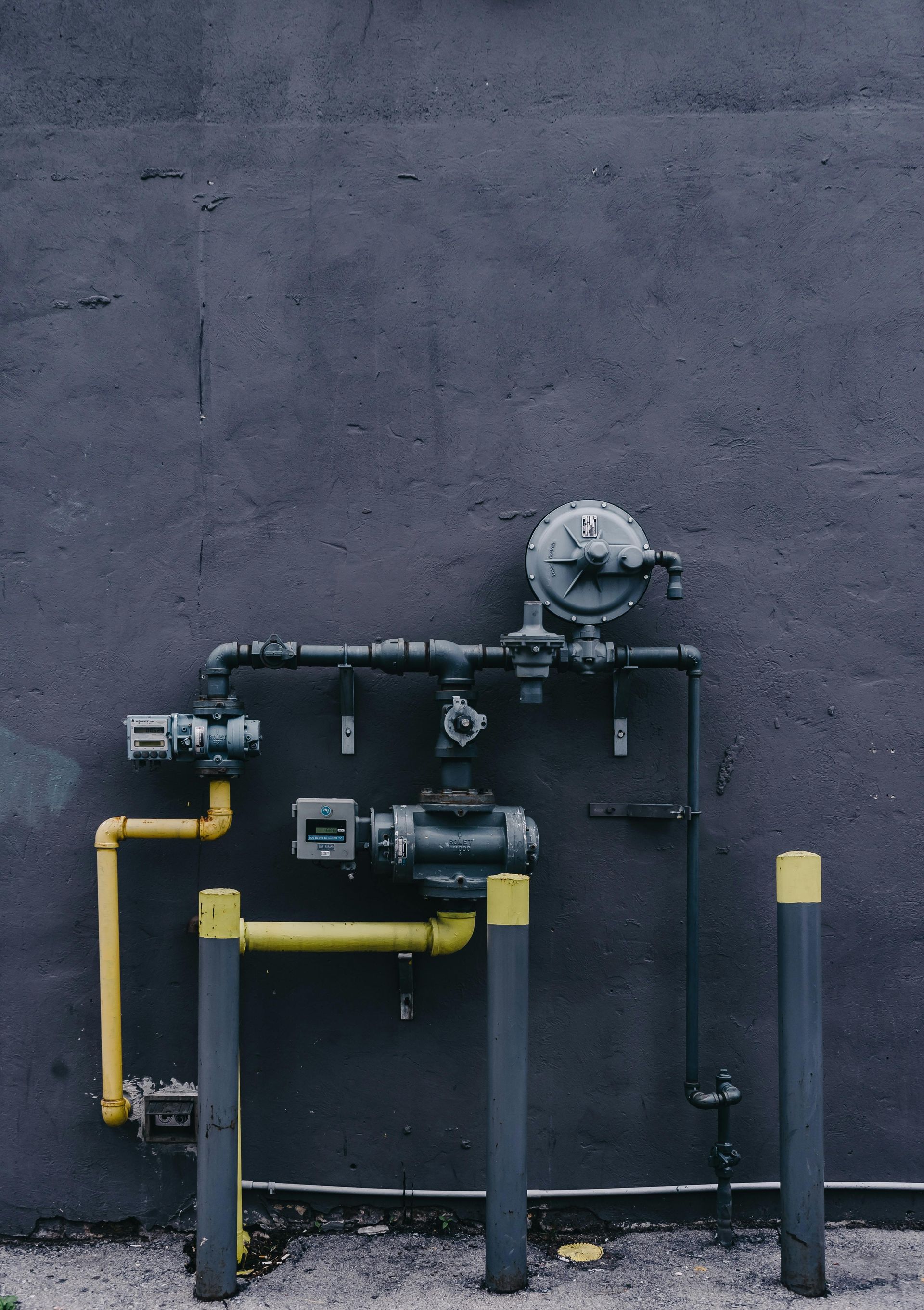
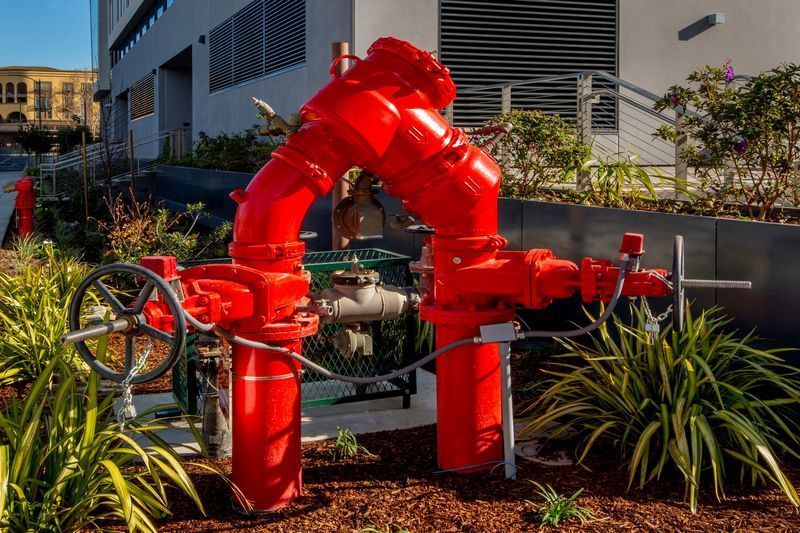
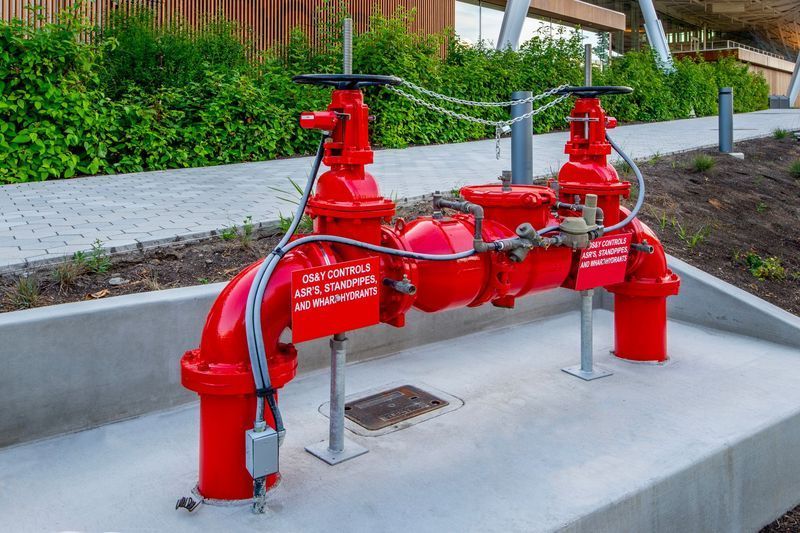
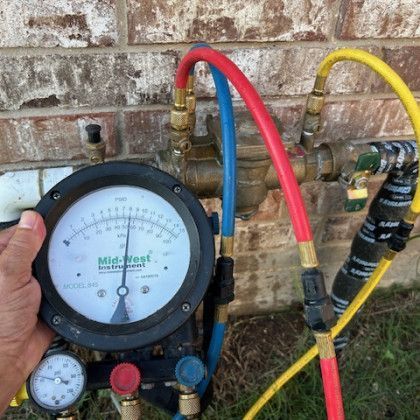
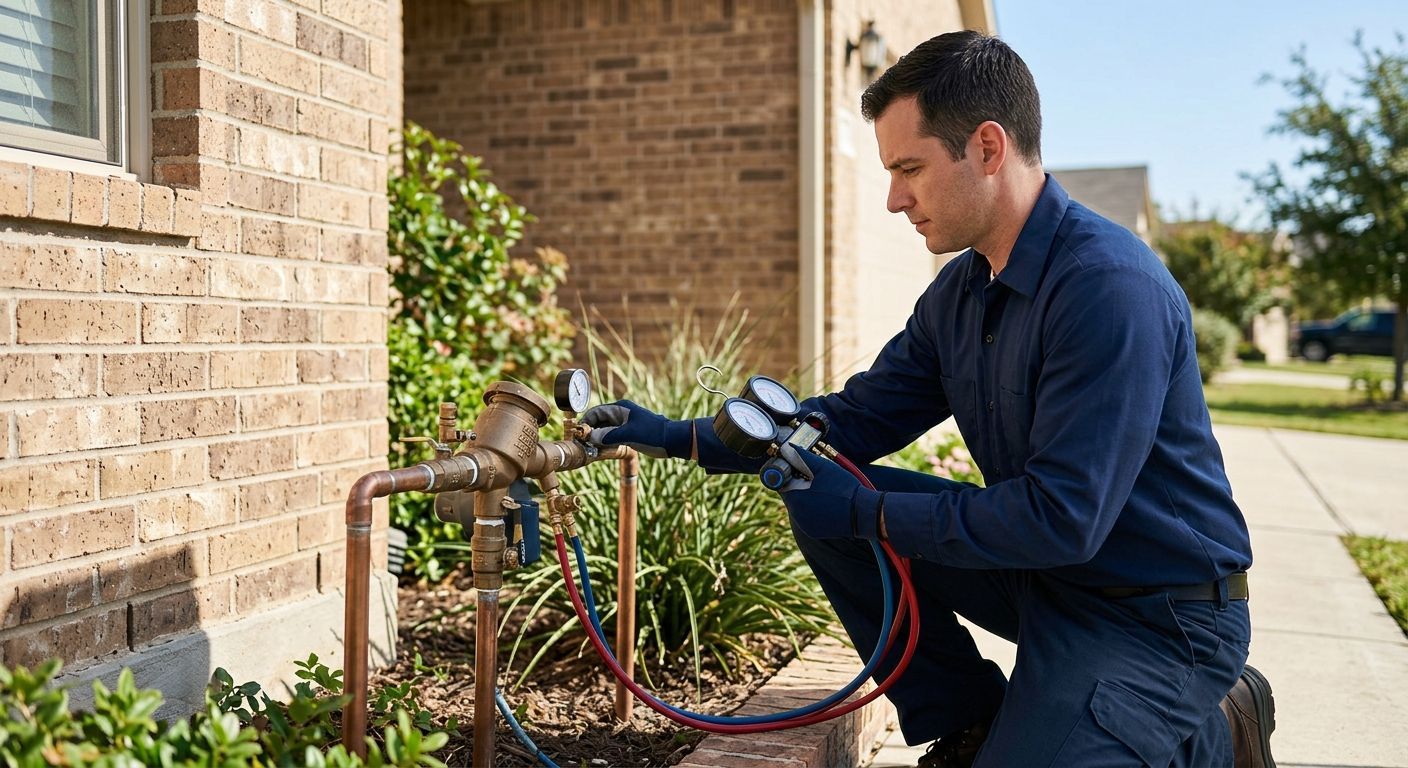
A backflow preventer is a mechanical valve assembly. It keeps water flowing one direction only - from the public supply into your property, never the reverse. Backflow testing in Killeen means a licensed technician physically pressurizes and checks each internal component to confirm it is holding correctly.
This is not a visual inspection. Internal rubber gaskets, O-rings, and spring-loaded check valves degrade with zero external warning signs. The only way to know they still work is to test them under real conditions.

The "Silent Failure" Problem Is More Common Than You Think
Here is a number worth sitting with: industry research from the Water Research Foundation indicates that approximately 5% of homes experience a backflow incident of one gallon or more every single year. That is not a fringe problem. Across a city the size of Killeen, that represents hundreds of properties at risk in any given year.
When a water main breaks on a nearby street or the city opens a fire hydrant for maintenance, pressure in the public lines drops suddenly. If your backflow preventer has a degraded check valve, that pressure drop creates a siphon effect. Lawn fertilizer, pool chemicals, puddle water, or even septic waste can be pulled directly into your home's drinking water supply.
No alarm sounds. Nothing looks different. That is why "silent failure" is exactly the right description.
Why Killeen's Rules Have No Exceptions
Some property owners assume their older device is fine because it was installed before certain rules were in place. That assumption can cost them their water service.
Under Texas Commission on Environmental Quality (TCEQ) guidelines, cities like Killeen and Harker Heights operate strict cross-connection control programs. There is absolutely no grandfathering of non-compliant or un-tested assemblies. Backflow prevention is a public health and safety issue. That classification gives local ordinances the authority to terminate water service to any property with a missed test or a failed, unrepaired device.
This is not a fine or a warning letter. It is shutoff. Staying current on testing is a legal obligation, not a courtesy.
What Central Texas Climate Does to Your Equipment
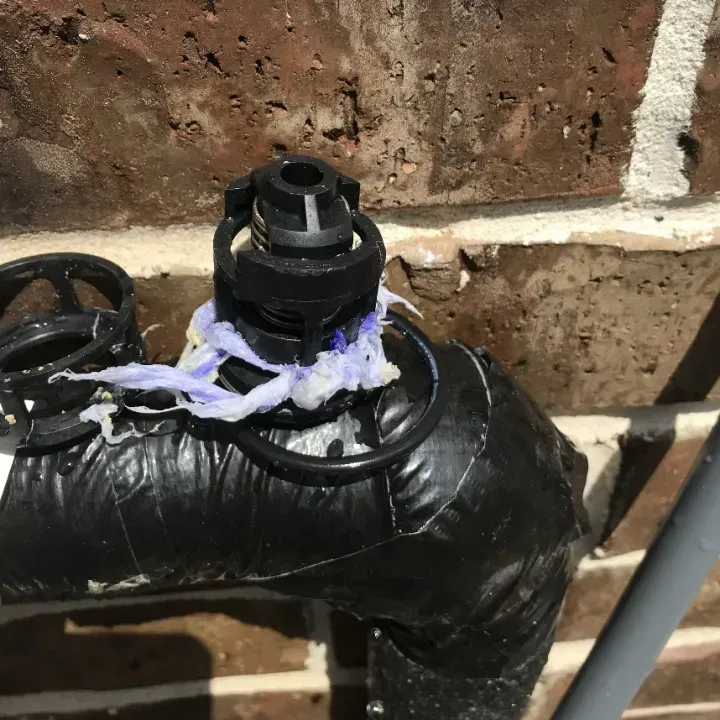
Killeen sits in a climate that seems mild until it is not. The region's occasional hard freezes catch many property owners off guard, and they do real damage to backflow assemblies. Cracked plastic internals and split metal bodies on Pressure Vacuum Breakers (PVBs) and Reduced Pressure Zone (RPZ) assemblies are common callouts every winter. A device that looked fine in October can be cracked and non-functional by February.
Hard water is the other local culprit. Central Texas is well known for high mineral content in its water supply. Calcium and sediment build up gradually inside check valves. Over time, this debris prevents the valves from sealing completely. The result is a device that constantly drips, makes a whistling sound, or simply fails its pressure test.
Watch for these specific warning signs:
- Water pooling on the ground around your outdoor backflow assembly
- A hissing or whistling noise near the device
- Unexplained drops in household water pressure
- Visible corrosion or mineral crust on the valve body
- A relief valve that drips or runs continuously
Catching any of these early means a repair is usually all that is needed. Ignoring them often leads to a full replacement.
Smart Technology Is Changing the Game in 2026
For commercial property owners and facility managers in the region, 2026 is bringing a notable shift. The global backflow prevention monitoring market is projected to grow significantly. IoT-enabled smart assemblies are driving much of that expansion.
These modern devices come equipped with self-calibrating relief valve sensors and cellular or Wi-Fi transmitters. They send real-time alerts to your phone or email if a relief valve starts discharging or if pressure readings fall outside normal ranges. Instead of discovering a failure at the annual test, you find out the moment something goes wrong.
For commercial properties in Killeen with complex irrigation systems or multi-unit buildings, this kind of proactive monitoring is quickly becoming the standard expectation.
Repairs vs. Replacement: Knowing the Difference
Not every failed test means the device must be replaced. Many failures come down to worn rubber components or sediment-clogged valves. A qualified technician can often restore function with a targeted repair rather than a full unit swap.
The key is acting quickly. A device that fails its annual test and is repaired promptly gets re-tested and cleared. A device that sits unrepaired puts you on notice with the city and keeps your property at risk every day it remains in that condition.
Your water supply is worth protecting. Reach out to Central Texas Backflow to schedule your annual backflow test or get a failed device repaired before the city steps in.
Frequently Asked Questions
How often is backflow testing required in Killeen?
Most Killeen and Bell County properties with a backflow prevention assembly are required to test annually. Commercial properties, irrigation systems, and certain higher-hazard connections may have more frequent requirements depending on the local water authority.
What happens if my backflow device fails the test?
If a device fails, it needs to be repaired or replaced before it can pass a re-test. You have a defined window to complete that work. Leaving a failed device unrepaired can result in the city terminating water service to your property.
Can I test my own backflow preventer?
No. Texas requires backflow testing to be performed by a licensed backflow prevention assembly tester (BPAT). The results must be submitted to the local water authority on official forms. Self-inspection does not satisfy this requirement.
Does my home's age affect whether I need backflow testing?
Age of the home does not exempt it from testing requirements. There is no grandfathering under TCEQ rules. If a backflow assembly is present on your property, it must be tested on schedule regardless of when it was installed.
What types of properties in Killeen typically need backflow prevention?
Any property with an irrigation system, swimming pool, commercial food service connection, fire suppression system, or other potential cross-connection point is generally required to have a tested backflow preventer in place.